


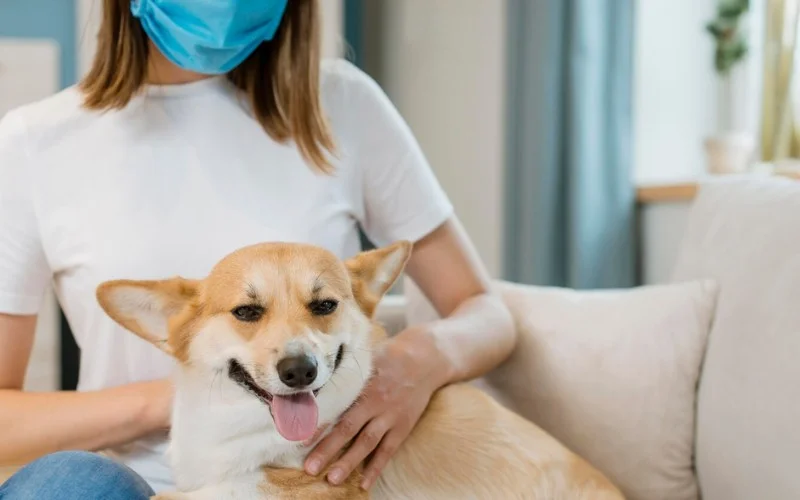
Yes, dogs can contract the SARS-CoV-2 virus, which causes COVID-19. However, it’s important to note that while they can get sick, symptoms often manifest as a gentle illness, and complete recovery is usual.
A very unexpected fact is that even though dogs can contract the virus, their chances of transmitting it to humans remain quite low. Keeping your eyes open to unusual signs in your pet’s health becomes essential in these changing global conditions.
While dogs have been known to contract the virus that causes COVID-19, the risk of pets spreading COVID-19 to people is low. If you suspect your pet may have COVID-19, consult your veterinarian for guidance and follow their instructions for care and isolation.
Table of Contents
Can Canines Get COVID-19?

The issue of whether dogs can contract COVID-19 has been a significant concern for pet owners worldwide. While worrying about our furry companions is understandable, understanding the risks and scientific evidence can help dispel misconceptions and guide responsible pet care.
As of 2022, several reported cases of dogs testing positive for COVID-19 globally have occurred. Research suggests that dogs can become infected with the virus that causes COVID-19, just like humans. However, it’s important to note that dogs contracting the virus appear uncommon.
Several factors contribute to this, including the likelihood of human-to-animal transmission, the specific strain of the virus, and the animal’s overall health.
It’s believed that pets mainly get infected after close contact with COVID-19-infected individuals. This is a crucial point to consider for households with a COVID-19-positive individual and a pet. One should take precautions and isolate from their pet, providing alternate caregivers if possible.
If caring for a pet while sick, wearing a face mask, washing hands before and after handling the pet, and cleaning up after the pet become essential preventative measures.
To put it in perspective, think of it this way: if you had a cold or flu, you wouldn’t want to spread it to your dog. That’s why taking these precautions is so important.
Understanding these insights clarifies the potential for dogs to contract COVID-19. Let’s explore what precautions can be taken to protect our furry friends and ourselves from potential transmission risks.
Impact of COVID-19 on Dogs
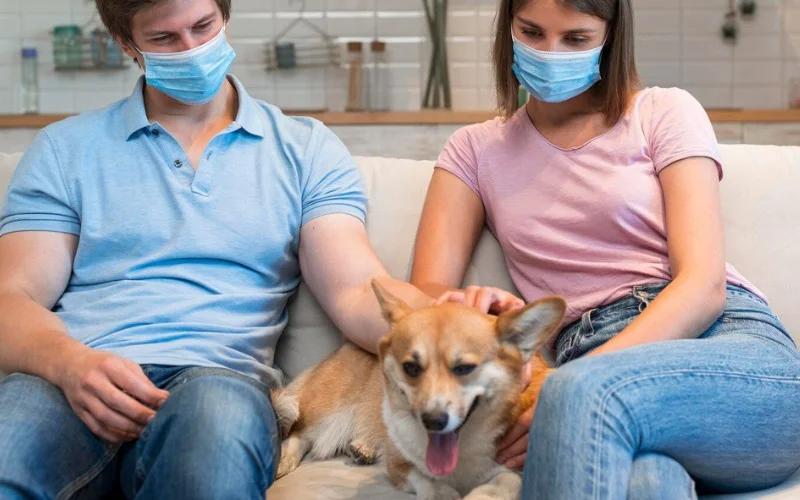
COVID-19 hasn’t just affected us; it’s also impacted our beloved dogs. Just like people, dogs’ experiences can differ. Most cases involve mild symptoms such as fever, coughing, breathing difficulties, lethargy, and gastrointestinal issues. It is crucial to observe dogs’ behavior closely and act quickly if you notice any concerning signs.
One of the most important things to remember is that severe illness in dogs due to COVID-19 is extremely rare, which should help provide some peace of mind. However, it doesn’t mean we can be complacent. It’s always better to be cautious when it comes to the health of our furry friends.
If your dog shows any of these symptoms or starts acting differently, don’t hesitate to seek veterinary care. Early treatment is key—just as it is for humans.
Remember that when discussing early care, we’re not just about checking for a cough or fever. We’re talking about paying attention to how your dog eats, sleeps, and behaves. Your dog might be unable to tell us what’s wrong, but we can watch over it closely and act if something seems out of the ordinary.
On that note, regular veterinary visits and open communication with your vet are vital for their well-being. Your vet can provide guidance tailored to your dog’s specific needs and offer professional advice on maintaining your dog’s health during these unprecedented times. If you’ve ever been sick, you know how great it feels to have someone look after you.
In summary, while severe illness in dogs due to COVID-19 is rare, being vigilant about their health and seeking prompt veterinary care is essential to ensure their well-being. Now, let’s turn our attention to the processes involved in testing dogs for COVID-19—a critical aspect in managing the health of our canine companions.
Testing Dogs for COVID-19
While humans have been the primary focus of COVID-19 testing, there has been some discussion about whether dogs should undergo testing for the virus. However, specific situations may necessitate testing a dog for COVID-19.
It’s advisable to consult a veterinarian if a dog has been in contact with an individual positive for COVID-19 or exhibits symptoms consistent with the virus.
Veterinary professionals can recommend testing based on the pet’s history, symptoms, and potential exposure to COVID-19. Just like humans, seeking medical advice is crucial if a dog displays symptoms such as coughing, sneezing, or respiratory distress.
When a dog shows severe respiratory issues or other concerning symptoms, testing for COVID-19 may be considered to rule out potential causes. It’s important to remember that while dogs can contract the virus, it’s rare and generally experience milder symptoms than humans.
Consider this scenario: if a household member has tested positive for COVID-19 and the dog starts displaying unusual symptoms, seeking guidance from a vet regarding testing would be prudent.
As we continue our exploration of COVID-19’s impact on our beloved canine companions, we will now delve into the potential risks of exposure that dogs face in the context of the pandemic.
COVID-19 Exposure Risks for Dogs
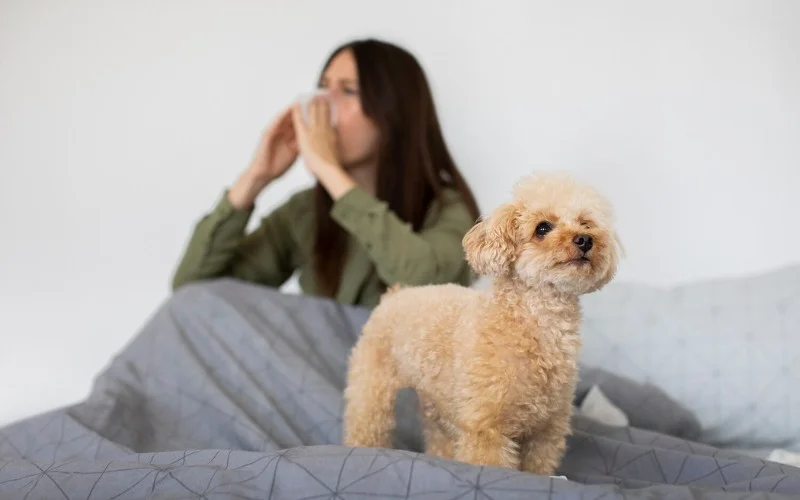
Let’s discuss the risks for our furry friends. Dogs can indeed contract the virus from their owners if the necessary precautions are not taken.
Close contact with COVID-19-positive individuals poses a significant risk to pets, particularly through activities like petting, snuggling, being kissed, sharing food, and even sleeping in the same bed as infected owners.
Consider a scenario where someone infected with COVID-19 returns home and spends time with their dog without taking the necessary precautions. This close interaction greatly increases the risk of the virus transmitting to the pet.
It’s easy to forget how these simple, everyday behaviors might pose a risk to our pets, especially when we’re focused on our health and safety. Our dogs are part of our families; we naturally want to show them affection.
Individuals who test positive for COVID-19 must take precautions to minimize this risk when interacting with their pets. This can include avoiding close physical contact, such as petting or snuggling, refraining from sharing food, and ensuring the pet has a separate resting space.
In addition, it’s important to have another person in the household care for the pet while anyone with COVID-19 isolates themselves from their furry companion.
When direct care from the infected individual is unavoidable, wearing a face mask and practicing good hygiene—such as washing hands before and after handling the pet—becomes especially crucial.
Being conscious of these potential exposure risks and taking necessary precautions can help reduce the risk of COVID-19 transmission to our beloved canine companions.
Veterinary Care in a Pandemic
During the pandemic, accessing veterinary care becomes crucial to maintaining the health and well-being of our beloved pets. Animals need medical attention, preventive care, and even emergency services like humans. However, the situation has changed due to the pandemic.
When taking your pet to the vet, it’s essential to comply with these guidelines and consider the safety measures in place. Understanding and following these protocols protects your pet and contributes to curbing the spread of the virus within the community.
In light of the pandemic, veterinary clinics have adopted various measures to ensure the safety of pets and their owners. Telemedicine has become increasingly popular, allowing veterinarians to provide consultations and even diagnose certain conditions remotely. This helps reduce unnecessary in-person visits and potential exposure to COVID-19.
When visiting a veterinary clinic during a pandemic, it’s important to plan. Many clinics may require appointments to manage the flow of people and animals, reducing crowding in waiting areas.
Additionally, some clinics may have specific drop-off procedures, where pet owners leave their animals at designated locations for evaluation and treatment.
While these adjustments may initially seem unfamiliar or inconvenient, they are critical for maintaining a safe environment. As responsible pet owners, we must remain flexible and understanding as veterinary professionals adapt their practices to prioritize health and safety.
It’s advisable to stay informed about any updates or changes in protocols at your local veterinary clinic. Communicating openly with veterinary staff, following their guidance, and adhering to safety measures demonstrates respect for their efforts to provide essential care during challenging times.
In times of uncertainty and change, staying informed, adaptable, and cooperative is key to ensuring that pets continue to receive the care they need while minimizing potential risks associated with the pandemic.
Vaccinations Related to Canine Coronavirus and COVID-19

Vaccinations prevent many diseases in our beloved pets, particularly dogs. There are vaccines available to shield dogs from specific strains of coronavirus. These vaccinations are pivotal in reducing the risk of infection and transmission within the dog population.
It’s essential to note that existing canine coronavirus vaccinations do not confer immunity against COVID-19, which is caused by the SARS-CoV-2 virus. Like humans, dogs must adhere to public health guidelines to protect themselves from this novel coronavirus.
As our understanding of this novel coronavirus continues to evolve, pet owners must stay informed about the recommended vaccinations for their dogs. Regular consultations with veterinarians are key to ensuring that dogs receive crucial immunizations and stay up to date with their vaccinations.
Vaccination schedules may vary depending on geographic location, lifestyle, and individual health considerations.
For instance, if you live in an area where certain strains of canine coronavirus are prevalent, your veterinarian might recommend specific vaccinations to safeguard your dog’s health.
Additionally, factors such as travel, exposure to other animals, and the overall health status of your dog can influence vaccination recommendations. Veterinary professionals have the expertise to assess these factors and provide tailored advice regarding essential immunizations for your furry companions.
Pet owners can protect their dogs’ health and well-being by staying informed about recommended vaccinations and actively engaging with veterinary professionals.
Keeping our furry friends safe involves knowing their vaccination needs and partnering with veterinary experts to ensure they receive the best protection. It’s a collaborative effort between pet owners and professionals to safeguard their well-being.
Related Articles:
Best Flea Treatment for Dogs – The Finest Curing Medicine
What Can I Give My Dog for Pain Relief? Guidance to pains and medicines