



The most effective dry dog foods for canine skin allergies are those enriched with hypoallergenic proteins and carbohydrates. These ingredients, such as duck, venison, rabbit proteins, and sweet potato or pea carbohydrates, reduce the risk of allergenic responses in sensitive dogs.
Not many may realize it, but limited-ingredient diets also have the advantage of being hypoallergenic due to their minimized components, making pinpointing and evading possible allergens simpler.
Don’t overlook omega fatty acids either – Omega-3 and Omega-6 play a vital role in maintaining your dog’s coat and skin health by reducing inflammation and itchiness. Ensuring these components are found in your dog’s dry food is a surefire way to show you care. Now, let’s evaluate some common ingredients in hypoallergenic foods.
The best dry dog food for skin allergies recommended by our experts is “Instinct Raw Boost Grain-Free Recipe with Real Salmon.”
This formula features omega-3 and omega-6 fatty acids, promoting skin and coat health, making it an excellent choice for dogs with allergy-related skin issues. Always consult your veterinarian before significantly changing your dog’s diet.
Table of Contents
Hypoallergenic Ingredients in Dry Dog Food

When managing skin allergies in dogs, the first step often involves identifying and eliminating potential allergens from their diet. Hypoallergenic dry dog food is designed to reduce the likelihood of causing allergic reactions, making it an essential consideration for dog owners with allergy-prone dogs.
These specialized formulas commonly incorporate novel proteins such as duck, venison, or rabbit. These alternative protein sources are less likely to trigger allergic responses, providing sensitive dogs with a source of nutrition that won’t cause adverse reactions.
Moreover, carbohydrates like sweet potatoes or peas are substitutes for common allergens such as wheat or corn, contributing to a well-balanced and hypoallergenic diet.
Limited ingredient diets (LID) are another key aspect when selecting dry dog food for skin allergies. By containing fewer components, LID dog foods make pinpointing and eliminating potential allergens from your dog’s diet easier.
This simplified approach can be extremely beneficial in managing sensitivities and allergies, allowing dog owners to provide their dogs with the nutrition they need while minimizing the risk of skin-related issues.
In essence, using hypoallergenic ingredients aims to mitigate the allergic response caused by common food allergens. For dogs prone to skin allergies, these specialized ingredients are pivotal in maintaining their overall well-being and comfort.
The emphasis on novel proteins and limited-ingredient diets offers a systematic approach to addressing skin-related concerns through tailored nutrition.
Understanding the key components of hypoallergenic dry dog food facilitates informed decision-making when selecting the most suitable diet for your furry companion. Let’s explore some specific dry dog food options incorporating these hypoallergenic principles.
Omega Fatty Acids: The Role of Omega-3 and Omega-6 for Dogs’ Skin Allergies
Omega-3 and Omega-6 fatty acids act as superheroes in the dog world, especially for maintaining a healthy, shiny coat. These fatty acids are crucial for dogs grappling with skin allergies in managing inflammation, reducing itching, and supporting overall skin health.
Understanding Omega-3 Fatty Acids
Omega-3 fatty acids are renowned for reducing inflammation and improving dog skin and coat health. They are incredibly beneficial for dogs with skin allergies, as they help alleviate symptoms such as itchiness and redness.
Fish oil is a common source of Omega-3 fatty acids in dog food, providing an excellent way to support your dog’s skin health. When selecting dry dog food for a pup struggling with skin allergies, look for formulations that include fish oil to ensure they receive an adequate supply of Omega-3 fatty acids.
Exploring Omega-6 Fatty Acids
Similarly, Omega-6 fatty acids contribute significantly to dogs’ healthy skin and coat maintenance. These essential fatty acids are commonly found in chicken fat and sunflower oil.
While Omega-6 fatty acids are necessary for optimal skin health, finding a balance between them and Omega-3 is key when choosing the right dry dog food for dogs with skin allergies.
Let’s imagine that your dog’s skin allergies cause discomfort and irritation. By including dry dog food rich in fish oil to provide essential Omega-3 fatty acids, you’re actively working to alleviate their symptoms and improve their overall well-being.
So, next time you examine the ingredient list on a bag of dry dog food, watch for these superhero nutrients. They may be listed as fish oil, flaxseed, or sources of Omega-6 such as chicken fat or sunflower oil. These powerful ingredients can benefit your dog’s skin health and happiness.
With a deeper understanding of the significance of Omega-3 and Omega-6 fatty acids for dogs with skin allergies, you’re better equipped to make informed choices about the ideal dry dog food to support your furry friend’s well-being.
Role of Quality Natural Ingredients for Skin Allergies in Dogs

Choosing the right dry dog food for a pup with skin allergies is crucial. High-quality, natural ingredients significantly manage skin allergies because they provide essential nutrients for skin health.
Whole, natural ingredients such as lean meats, whole grains, and vegetables can offer vital nutrients like vitamins, minerals, and antioxidants that support a dog’s overall well-being.
High-quality proteins like chicken, turkey, salmon, or bison can be more digestible for dogs with sensitivities to common allergens like chicken and beef. These proteins offer essential amino acids that support muscle maintenance and overall health.
Whole grains like brown rice and oatmeal are excellent sources of fiber that aid in healthy digestion, while antioxidants from fruits and vegetables contribute to overall skin health. Proper nutrition will help alleviate dogs’ allergy symptoms.
For instance, dogs with a sensitivity to poultry might benefit from a grain-free recipe that features lamb or fish as the primary protein source. This may reduce potential allergic reactions in some dogs, significantly improving skin conditions.
Furthermore, it’s important to avoid artificial additives and fillers when selecting dry dog food for dogs with skin allergies. These synthetic ingredients may exacerbate existing skin issues rather than alleviate them. Some dogs may have sensitivities to artificial colorings, flavorings, or preservatives commonly found in lower-quality dog foods.
To ensure the quality of the dry dog food, look for brands that use real, whole ingredients without artificial additives. Carefully review the ingredient list on the packaging and aim for formulas with limited or no artificial enhancements.
Emphasizing “limited ingredient” diets free from common allergens or opting for “novel protein” diets that feature alternative protein sources like venison or kangaroo can also be effective strategies in managing dog allergies.
Changing your dog’s diet can significantly improve their comfort and well-being if they suffer from skin allergies.
Grain-Free or Not: Exploring Dry Food Options for Sensitive Skin
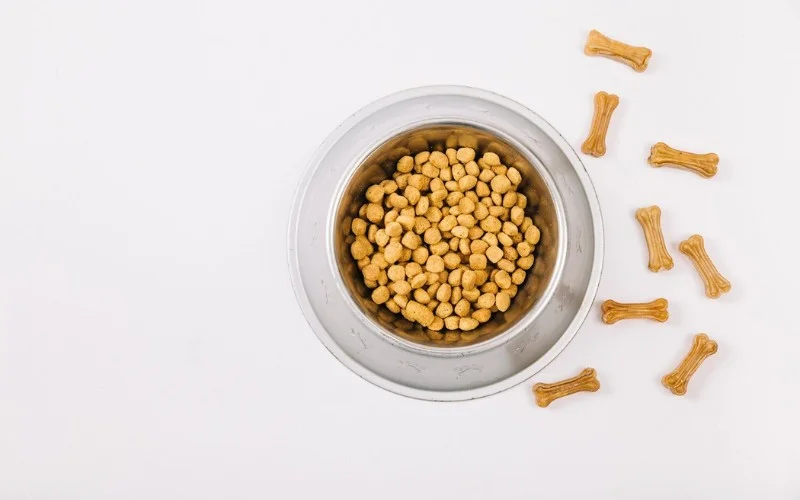
Grain-free dog food has skyrocketed in popularity among dog owners and is often seen as a key component of a healthier diet for our canine companions.
However, recent studies have highlighted essential considerations regarding grain-free diets for dogs with skin allergies. While opting for grain-free options may seem instinctual to address skin-related issues, it’s crucial to look beyond the absence of grains and focus on the overall nutritional content of the food.
There is a common misconception that all grains harm dogs with skin allergies. Additionally, fiber-rich grains aid in healthy digestion, which can indirectly impact your dog’s skin health.
| Common Grain-Free Ingredients | Benefits For Sensitive Skin |
| Sweet potatoes | High in fiber, vitamins, and minerals. |
| Peas | Rich in protein, fiber, and essential nutrients. |
| Lentils | It is packed with protein, fiber, and complex carbohydrates. |
| Potatoes | It is a good source of vitamin C, vitamin B6, and potassium. |
| Tapioca | The gluten-free alternative is rich in starch. |
| Common Grain-Inclusive Ingredients | Benefits For Sensitive Skin |
| Brown rice | Excellent source of carbohydrates, rich in fiber. |
| Oatmeal | Provides soluble fiber and omega-6 fatty acids. |
| Barley | Nutrient-rich with good levels of fiber and protein. |
| Quinoa | Offers high-quality protein, fiber, and essential amino acids. |
So, when evaluating dry food options for dogs with skin allergies, it’s essential to consider the specific nutrient profile rather than simply focusing on the presence or absence of grains. The goal is to provide a well-balanced diet that caters to your dog’s unique needs while supporting skin health.
It all comes down to choosing a diet that meets your dog’s nutritional requirements without exacerbating skin allergies. This necessitates thoughtful consideration and consultation with a veterinarian or canine nutrition specialist if needed.
Understanding these nuances in dog food options will guide us toward making informed choices and prioritizing our furry friends’ well-being.
Safe Meats for Dogs with Allergies: Beyond Common Allergens

When addressing a dog’s allergies, choosing the right protein source can be critical in managing their symptoms. While chicken, beef, and other typical meats can trigger allergic reactions in dogs, alternative meat options can serve as safe choices for dogs with sensitivities.
- Turkey: A lean protein option that’s low in fat and easy to digest.
- Lamb: A novel protein source that some dogs may tolerate well.
- Bison: This lean and nutrient-rich meat is less commonly associated with allergies in dogs.
These alternative meat sources are often called “novel proteins” because they are not commonly found in most dog foods. For dogs with known sensitivities or allergies to traditional meats, introducing these novel proteins can provide a safer option for addressing their dietary needs.
It’s important to consider that every dog is different, and what works for one may not work for another. So, when trying new protein sources, monitoring your dog closely for any signs of allergic reactions or digestive issues is essential.
If you’re considering transitioning your dog to a diet featuring alternative meat sources, it’s advisable to consult with a veterinarian. They can guide you on properly introducing new proteins into your dog’s diet and ensure their nutritional needs are met.
Aside from turkey, lamb, and bison, other novel protein sources may be suitable for dogs with allergies. These include:
- Duck: Rich in omega-3 fatty acids.
- Venison: Another novel protein choice that may be well-tolerated by dogs with sensitivities.
Novel proteins can play a significant role in managing food allergies in dogs. When searching for a suitable dry dog food for a dog dealing with skin allergies or sensitivities to common allergens, looking for options that feature these alternative meats can be a good starting point.
Ensuring Adequate Vitamins and Minerals for Dogs’ Skin Health
Ensuring your dog’s diet is rich in essential vitamins and minerals is crucial in supporting their skin health and overall well-being. Vitamins and minerals such as E, A, zinc, and selenium are vital in maintaining healthy skin and a robust immune system.
Let’s examine what each of these essential nutrients contributes to your dog’s skin health:
- Vitamin E is an antioxidant that can help reduce skin inflammation and soothe itching. It also promotes healthy skin cell growth.
- Vitamin A: Essential for skin cell production and repair, helping maintain the integrity of the skin barrier.
- Zinc: Supports normal skin function, aids in wound healing, and helps regulate the immune system.
- Selenium neutralizes free radicals, which can protect skin cells from damage.
When selecting dry dog food for dogs with skin allergies, carefully reviewing the nutritional content on the packaging is crucial. Look for products that contain a balanced blend of these essential nutrients to promote optimal skin health and overall well-being in your furry friend.
For instance, some high-quality dry dog food formulas specifically formulated for dogs with sensitive skin or allergies may include added sources of these essential nutrients to address specific dietary needs.
Seek out products that not only address the avoidance of common allergens but also cater to the nutritional needs of dogs with skin allergies.
Always consult a veterinarian before introducing any new supplements or making significant changes to your dog’s diet to ensure that you provide them with the most suitable nutrition tailored to their needs.
To find the best dry dog food for your dog’s needs, visit our website at the Dog Barkings Feeding Section. Here, you can explore options designed to cater to multiple dietary requirements. Enhance your dog’s well-being today!