
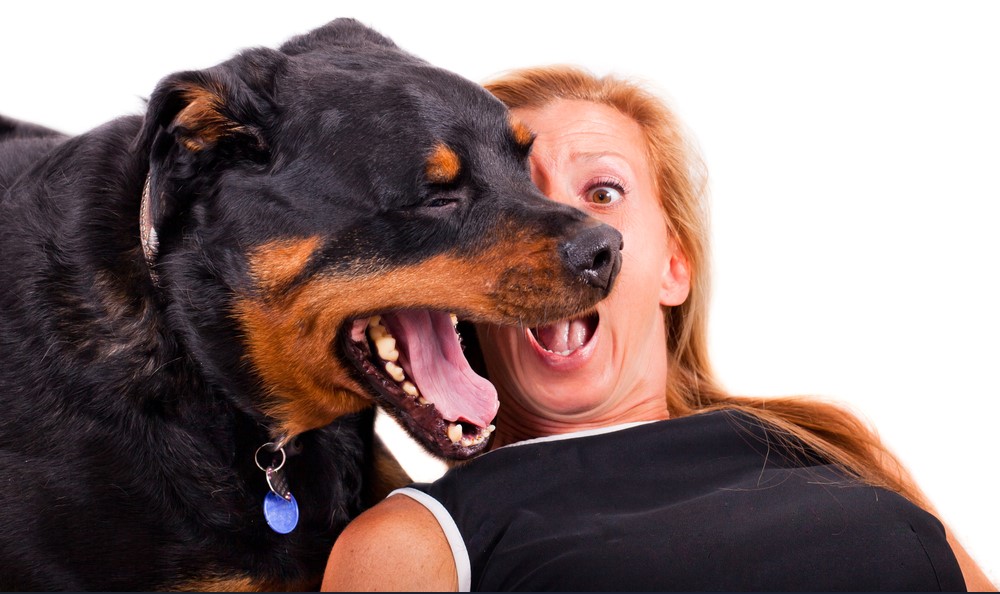
Bad Dog Breath can be caused by oral health issues and could lead to stinky breath in dogs, ranging from tooth decay to gum disease and oral infections. Regardless of the precise cause, bacteria and food debris build up over time in your pup’s mouth if not regularly cleaned away, resulting in plaque and a persistent bad smell.
These germs can cause bad breath in dogs. In addition, food particles can become trapped in the plaque and tartar, which can also cause bad breath. When plaque and tartar are not removed, they can harden and cause tooth decay and gum disease. Plaque is a sticky film of food debris, bacteria, and saliva. Tartar is plaque that has been set on the tooth. A professional cleaner can only remove it. Plaque is a sticky film of food debris, bacteria, and saliva. It forms on teeth and gums. Plaque can harden and turn into tartar. The tartars can only be removed by a professional
Click here for the 6-second morning ritual that eliminated bad dog breath.
Table of Contents
What causes Bad Dog Breath?
Dog owners dismiss bad dog breath as just “dog breath,” but there is usually a perfect reason behind the odor.
1. Oral Hygiene and Periodontal Disease
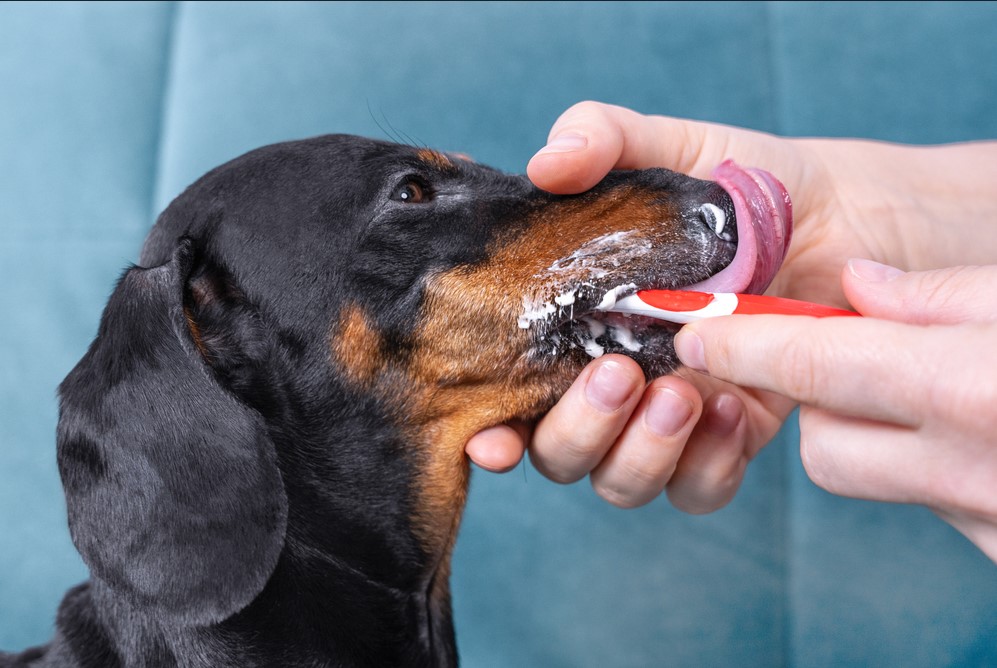
Dogs’ most common causes of bad breath are bad oral hygiene and periodontal disease. Like in humans, the build-up of plaque and tartar can develop bacteria that cause bad breath. If your dog is not a chewer and you do not regularly brush or clean his teeth, then plaque build-up is likely cause of his bad breath. Over time, poor oral hygiene can lead to periodontal disease. Too much plaque and tartar build-up can push the gums away from the teeth, exposing new areas for bacteria to develop. This inflames the dog’s gums and can lead to cavities, infection, tissue destruction, tooth loss, and pus formation. It also leads to very, very bad breath.
2. Unpleasant Dietary Habits
Dogs can be gross. Sometimes their habits translate directly into bad breath. If your dog regularly gets into the garbage or has access to decomposing animal remains, his bad breath could result from unsupervised snacking. Dogs also universally seem to love cat poop, and a household with cats can offer too much temptation for your dog to resist. Not only is this smelly, but it is also unhygienic. As if cat poop wasn’t bad enough, some dogs eat their poop or the poop of other dogs, a condition called coprophagia that causes bad breath in dogs and occasionally mild nausea in their horrified owners.
3. Diabetes
If your dog’s bad breath has a sweet or fruity smell, you must make an appointment with your veterinarian. Sweet, fruity breath is a symptom of diabetes, a severe but treatable condition. Talk with your veterinarian about the other symptoms of diabetes to look out for, like more frequent drinking and urination, and set up an appointment to get your dog examined.
4. Kidney Disease
A dog that eats poop might have breath that smells like poop, but if your dog’s breath smells like urine, it is most likely not because she has been drinking pee. A urine odor to your dog’s breath is a warning sign of kidney disease and warrants a visit to your veterinarian. Kidney disease is severe and could be a more significant medical problem symptom.
5. Liver Disease
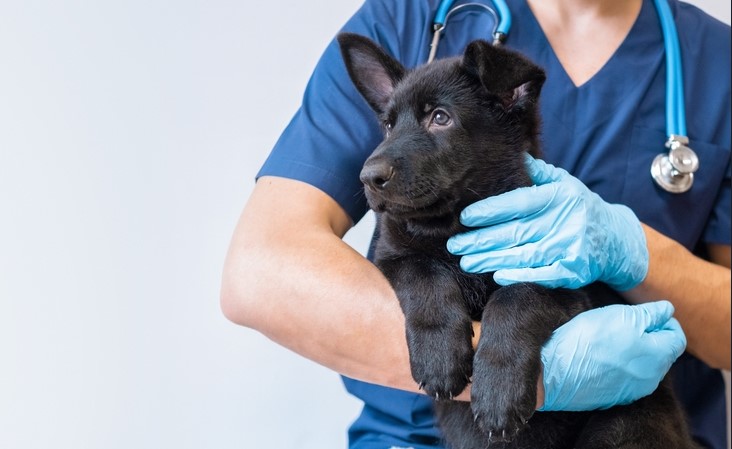
If your dog’s breath is foul and she is also vomiting, exhibiting a lack of appetite, and has a yellow tinge to her gums, she may have a liver problem. Like kidney disease, liver problems can be a sign of a serious condition, and you must get your dog into the veterinarian or emergency clinic as soon as possible.
How to Treat Bad Breath in Dogs?
As important as it is to understand the underlying issues behind malodorous doggie breath, what we want to know is how to get rid of it. Curing bad dog breath depends on the cause, but several treatment options exist.
If plaque, tartar, and periodontal disease are behind your dog’s bad breath, then the best thing you can do is to schedule an appointment with your veterinarian to see if your dog is a candidate for a dental cleaning. Your veterinarian will run bloodwork to ensure your dog can handle anesthesia. This appointment is also a great time to rule out other potential causes for your dog’s bad breath. During the cleaning, your veterinarian may have to remove loose or damaged teeth, depending on the scope of the periodontal disease.
Regarding unsupervised snacking, securing the trash and limiting your dog’s access to unpleasant outdoor finds, like roadkill, will resolve this issue. Placing the litter box outside his reach is a simple solution that eliminates cat feces consumption unless the cats are also pooping outside. Cleaning up directly after your dog can help prevent coprophagia.
Diabetes, kidney, and liver disease are all conditions that require treatment from a veterinarian. Once the underlying issue is resolved, your dog’s bad breath should go away, too.

What Can I Do To Treat My Dog’s Stinky Breath?
These germs can cause bad breath in dogs. Another cause of bad breath in dogs is food. When food is not digested properly, it can cause bad breath. When food is not digested correctly, it can cause bad breath. When food is not digested properly, it can cause bad breath. When food is not digested properly, it can cause bad breath. When food is not digested correctly,
How to prevent Bad Dog Breath in Dogs?
These germs can cause bad breath in dogs. Another cause of bad breath in dogs is food. If a dog eats food that is high in protein, it can cause bad breath. This is because the protein breaks down into amino acids, which are then converted into ammonia. Ammonia is a gas that has a powerful smell.