



Dutch Shepherd is a Jack of all Trades. Shepherds initially used this dog in the Netherlands. It is an intelligent dog and is highly trainable. Nowadays, Dutch Shepherds are being used as police dogs, service dogs, and general companions. They resemble German Shepherds and Dutch Shepherds as well. These three dogs have a common ancestry and diverged a hundred years ago. They are healthy dogs and can be trained well.
The Dutch shepherd comes in different types of coats. They are a combination of many traits. They can be used to win competitions. They are loving, loyal, and affectionate dogs. They belong to the Herding Dogs Breed group. They have a height of 21 to 25 inches. They weigh 50 to 70 pounds, and their life ranges from 12 to 15 years.

Table of Contents
Characteristics
Dutch Shepherds come in three types of hair, small hair, medium hair, and wire hair. The short-haired dogs can be kept as watchdogs. The wire-haired ones are found rarely. During World War 2, Dutch shepherds were used to serving the German military, and their breed was stopped in the Netherlands. Due to this, the Dutch Shepherds were on the stage of disappearance.
History
Dutch Shepherds were watchdogs initially. They were used in the Dutch countryside to perform activities related to the fields. They were used to herd sheep and other dogs. They were used to keep chickens out of gardens. They used to pull carts and acted as watchdogs.
Nowadays, Dutch Shepherds are rarely found. Due to modern farming techniques, the Dutch Shepherds are no longer needed at the farms. These dogs were on the edge of extinction during World War 2 because some died due to starvation, while the German Military captured others because they could easily be trained for any purpose.
After World War, breeders bred them with unknown breeds to increase their number. Although German Shepherds are rare, they are still used for search and rescue operations as they are brilliant and highly trainable. In addition, they can be used to participate in and win competitions and perform the duty of herding in fields.

Watch Dogs
Dutch Shepherds are not very vocal, but they are excellent watchdogs who bark on seeing anyone entering their area.
Fur Color
Their fur colors are brindle and vary from red chestnut to sandy gold.
Care
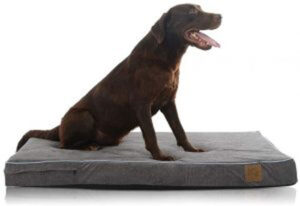
The Dutch Shepherds should be taken to the veterinary for regular checkups. Their nails grow very fast, so they should be cut occasionally, and their ears should also be cleaned weekly to check for any wax or debris. This might lead to infections. Their teeth should be brushed regularly. They need regular walking and play sessions. They become bored and destructive if they are not kept physically and mentally busy. Dog beds can be bought to make them feel comfortable. The dog’s car seat should be bought for travel purposes.
Check the Latest Price On Amazon
Diet
The diet of a Dutch Shepherd should be devised to keep up with the energy levels of medium to large-sized dogs. A nutritionist or a veterinarian doctor should be consulted for that purpose. Fish oil supplements should also be included in the diet of a Dutch Shepherd. This will help to keep their coat and skin shiny.
Shedding
Although the dutch shepherd is a moderate shedder, the type of coat determines the level of shedding that is more in longer-haired than shorter/rough-haired. Consequently, it affects the number of grooming sessions required.
Brushing and bathing
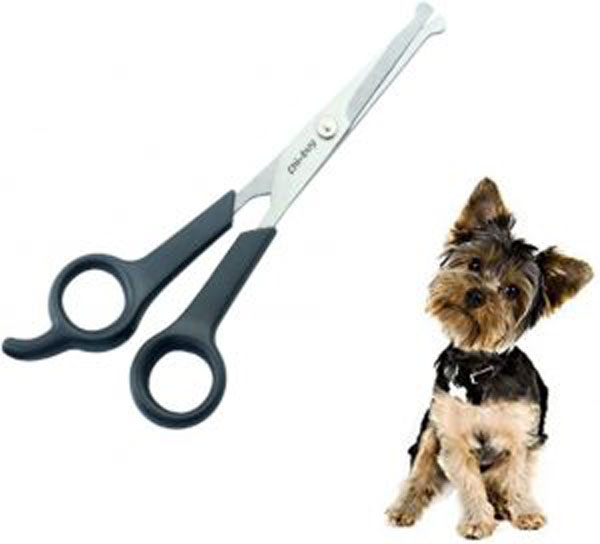
The short and medium-haired Dutch Shepherds need regular brushing to remove dead and loose hair, especially from the undercoat. The coat of rough or wired hair should not be brushed and should be shown to a professional twice a year, although their hair can be combed. In addition, they should be bathed, keeping in mind that excessive baths can remove their natural skin oils. Finally, a haircut can be done using dog scissors if required.
Check the Latest Price On Amazon
Health
The Dutch shepherd is a healthy dog; however, some develop hip dysplasia. The average life expectancy is 12-15 years.
Personality
They are intelligent dogs who are competent in every field. However, they are suitable for search and rescue operations, quickness, steering, field training, guide dogs, and becoming a home companion. Moreover, They can be trained easily and quickly to pick up commands to make their owners happy. A confident trainer must train these dogs, as setting limits is critical.
That trainer can build a strong relationship with the dog to keep him involved in the learning process. The dogs should be trained to deal appropriately with the guests. These dogs are very affectionate with family members, especially children and other pets in the house. They are obedient and loving. However, lots of physical and mental exercise is required to keep them busy and restrain them from being destructive. A dog muzzle is used to keep him from barking.
Exercise
Dutch shepherd is not a breed that is meant to leave alone at your house. Therefore, active mental and physical exercise is mandatory to get the best results out of this breed and to make him an active partner in your life.
Loyal and affectionate
Dutch Shepherds are very loyal and affectionate dogs. However, they should be trained to be devoted, so they might not feel uncomfortable when dealing with new animals and people.
Temperament
Dutch Shepherd is indeed a Jack of all Trades because of many reasons. It is fully loaded with the qualities like dutiful, vigilant, manageable, faithful, and dependable. The common thing about this breed is “intelligent expression and lively temperament.” The Dutch Shepherd is a Jack of all Trades due to its hyperactive energy; for this reason, there is a dire need to engage it in some outdoor activities. The absence of activity can bring about weariness and violent conduct. Therefore, Dutch Shepherds are best to keep as a safeguard at home.
Ability to work actively
Many of the short-haired Dutch Shepherd is engaged broadly throughout Europe and the United States in some tasks, essentially in police administration, including search and rescue. Dutch Shepherd is the most reliable breed. This breed of dog is sharp in agility trials, dutifulness, flyball, Schutzhund, tracking, and dog competitions on different occasions. In addition, Dutch Shepherds have a typical herding instinct which can be further trained to compete in herding trials.
Dutch Shepherd vs. German Shepherd
If we talk about the differences between Dutch Shepherds and German Shepherds, they both resemble some characteristics other than their appearances. Both are hard-working dogs who love to be involved in some tasks, especially on farms and performing duties. The Dutch Shepherd becomes more attached to the whole family, whereas the German Shepherd focuses more on its single master. The Dutch Shepherd is more energetic and intense, thus much more suitable for working. So, yes, Dutch Shepherd is a Jack of all Trades.