



Are you the proud parent of an adorable little puppy? This is a new realm for you, and you’re probably unsure what normal puppy behavior should look like. Puppies (like people) obtain bad habits by being given love and affection constantly, which they need, but can also keep them from learning good habits.
When she cries, she may need to be fed or changed, but other times, she may want to be held, which makes you feel great but doesn’t always help your baby grow and become social with others.
Puppies are similar and need to learn how to behave properly to grow into the great dogs we know they can be! So, let’s nip these puppy behavior problems in the bud before they get out of control!
Table of Contents
Puppy Biting
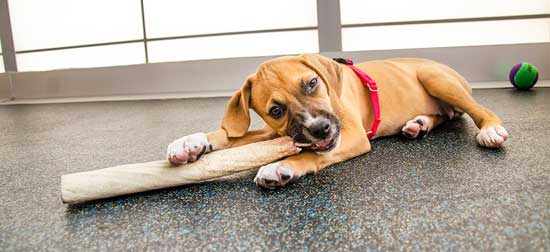
Just like babies, puppies explore the world by putting things in their mouths. At first, you may find this cute, but as the Puppy gets teeth, it’s not so sweet. How can we stop Puppy biting? We have to teach puppies that human skin is sensitive.
He most likely isn’t trying to hurt you intentionally and is just trying to play. Similarly, when he plays with other dogs, they will nip at each other, and now and then, a pup will bite too hard, and the bite victim will yelp in pain. The play usually stops, and Puppy realizes that he bit too hard.
Shortly after, the two dogs are back playing again. This is how he learns to lower the intensity of his bite. He makes sure no one gets hurt and knows to be gentle. This is how you can teach him not to bite people, too.
Play with your Puppy and let him put your fingers in his mouth. When he bites hard, give a high-pitched yelp as if you’re in pain. Let your hand go limp, which will startle him and cause him to stop biting (even if it’s just for a moment).
When he stops biting, he may start licking you (to make you feel better, of course!), so praise him and then resume playing with him. If it happens three times within 15 minutes, stop playtime. If this is not effective, you can try a time-out instead.
After you yelp and your pup is startled, turn your head and ignore him for 10-20 seconds. If he starts biting again, get up and move away from him for 10-20 seconds. After his “time out,” encourage playtime again. This shows him that gentle play time is acceptable and continues, while painful play time stops and is unacceptable.
If he bites again, repeat these steps. Once he gets to a place where he stops biting hard, you can create stricter rules and only tolerate gentler bites progressively. When he bites you moderately hard, give a high-pitched yelp. Continue with the rest of the steps and gradually lessen the force of the bites allowed.
Puppy Chewing
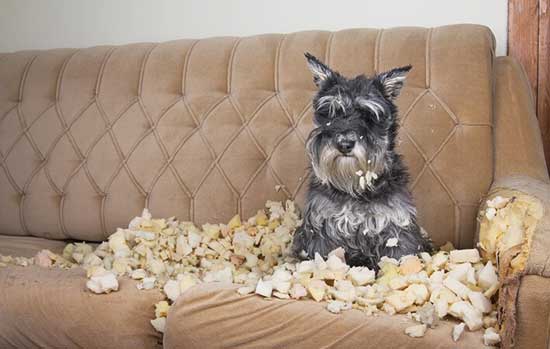
As mentioned above, puppies put objects in their mouths to explore them. Like babies, they teethe for about six months – which causes discomfort. When they chew on things, it helps their gums feel better. However, your Puppy must know what is and isn’t okay to chew.
How can you stop Puppy chewing? It’s your responsibility to keep things your Puppy shouldn’t be chewing on out of reach. If you have expensive shoes, put them somewhere the Puppy can’t get them.
The same goes for glasses, earbuds, remotes, smartphones, and trash. Get a toy for your pup that he can chew on. This toy should be distinguishable from any other household item (don’t give him an old shoe because he might think all shoes are free-range).
Until your dog learns what not to chew on, keep him on a leash when he’s in the house. That way, he’s close to you and can only access things close to you. You can also place him in his crate for short periods when he gets in a chewing mood.
Make sure he gets plenty of mental and physical exercise. This means taking him for walks, playing fetch, giving him social time with other people, and learning how to play with others (dogs and people included!).
If at any point your dog begins to chew on something he shouldn’t, stop him by making a loud noise (try a loud clap or stomping your foot down). Give him his chew toy, and when he accepts the toy, give him lots of love. If you think teething is the cause of his chewing, take a wet washcloth and freeze it.
Please give it to your pup to chew on. The cold temperature will help soothe his gums. Be sure to supervise him so he doesn’t swallow any pieces. Taste deterrents like Bitter Apple
Puppy Jumping

It feels great when you come home from work, and your Puppy sees you and jumps all over you. We perceive this as them saying, “I love you, I missed you, I want to hug you!”
However, this habit can grow into a dangerous one. While a puppy jumping all over you is cute and endearing, a grown dog weighing 100 pounds can be overwhelming and destructive. Dogs love to smell and to do so; they often have to jump.
Humans give off our strong scents in two specific areas: our genital areas and our mouths. (We’ve all been in that uncomfortable situation where we can’t get a dog away from a certain region.)
For puppies to get to these areas, they must get on their hind legs and sometimes jump. Turning them away is difficult, so we often pick them up to help calm them down.
However, this isn’t a good idea. Your dog must learn to calm down with all four paws on the ground. This isn’t easy, but with persistence, you can prevent this. When you first greet your Puppy, give him no attention.
That means do not touch, talk, or look at him. He is anxious and needs to know that he will get the attention he wants if he calms down. Do not give any affection to him if he is jumping. He needs to sit or calm down in some other way until you give him affection.
Once he has done so, you can acknowledge him; we know this will be hard on you, too, since you missed your pup all day! But trust us, it will be worth it!
Potty Training
Potty training is probably a pet parent’s #1 priority. No one likes entering a room and stepping into something that shouldn’t be there. Because this is such a detailed topic and highly requested, we’ve written an article dedicated to housebreaking your Puppy.
Puppy Whining
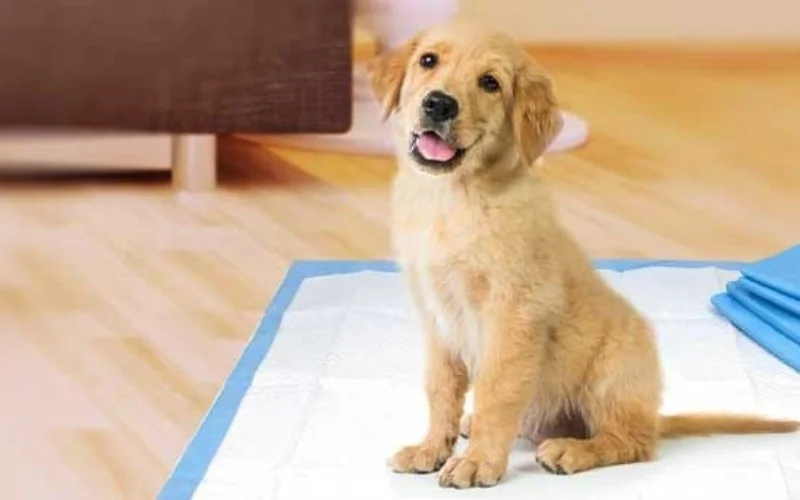
Why is your Puppy whining? First, if you’re struggling with a puppy crying in his crate, check out this article. However, it may be for a good reason if your Puppy whines randomly (not in his crate). Does he need to go potty? Is he hungry? Has he had his walk? Does he need water? Did his toy get stuck under the couch?
These are all reasonable reasons for him to be whining. But sometimes it goes too far. If he is whining excessively,, he has learned that whining and crying get him whatever he wants: food, affection,, or something else. This is where the whining becomes a bad habit. First, ensure he gets adequate food, exercise, and play.
He may not think he is getting an appropriate amount of these things, but if the vet says he should get a certain amount of exercise and food, he is okay. Please do not give him attention when he whines. We know it’s frustrating, but only give him attention when he is quiet.
When you give in to his whining, he takes control. Even though you don’t mean to, you tell him it’s okay to whine and an acceptable form of communication.
Ask your dog to stop whining in a gentle tone. If he continues, say it louder and in a more aggressive voice, “Stop whining!” This will make him feel scolded. It may take a few times, but this has been known to help.
Common Puppy Illnesses
Unfortunately, illnesses are something you’ll have to take into consideration when getting a puppy. Puppies need many vaccines in their first months of life, and you must know what they are at risk of.
Below is a list of common puppy illnesses. Be sure to check out what vaccines your dog should get and at what age so you can help your Puppy avoid these illnesses.